REPABIO
Sustainable strategies for improving crop resistance to pathogen attack using fungal origin biostimulants.
Related links:

Sustainable strategies for improving crop resistance to pathogen attack using fungal origin biostimulants.
Related links:
Comunicaciones en congresos
The effects of climate change promote the spread of increasingly destructive pathogens, threatening the survival of crops of agronomic importance. Currently, chemicals are being used to control these pathogens and improve crop yield and productivity. However, these products have been shown to damage the environment in the long term and can have detrimental effects on human health. This situation represents an increasing threat to food security, and the global challenge in the coming years will be to ensure it in a sustainable and environmentally responsible manner. Consequently, developing new strategies to enhance pathogen resistance, boost crop yields, and minimise the environmental impact of agrochemicals is a priority. One of the most promising approaches to achieving more sustainable crops is the use of biostimulants derived from beneficial microorganisms.
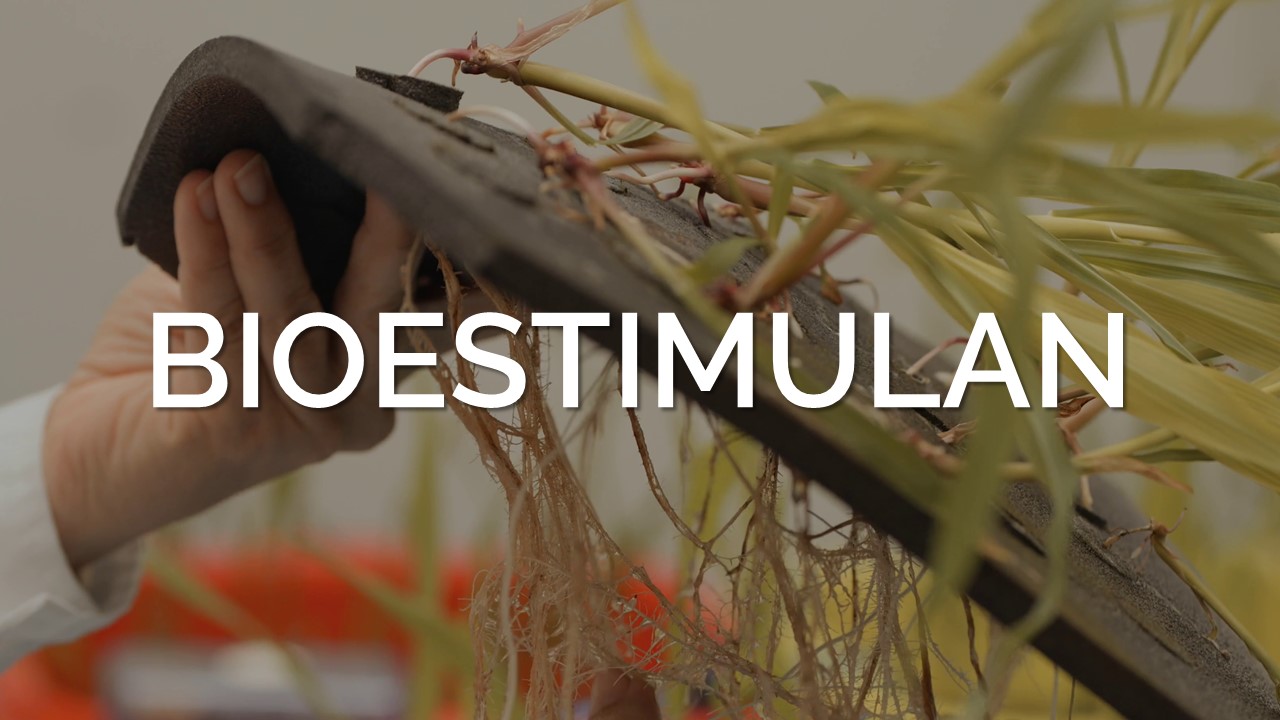
Building on previous results from the IdAB-CSIC research group, we demonstrated that microorganisms release metabolites which, when applied to plants via irrigation, stimulate both aerial and root growth, enhance crop yields, and enrich the beneficial soil microbiota (Sánchez-López et al., 2016ab; Ameztoy et al., 2019; García-Gómez et al., 2019–2020; Baroja-Fernández et al., 2021; patents PCT/ES2011/000125 and EPI6382146.5).
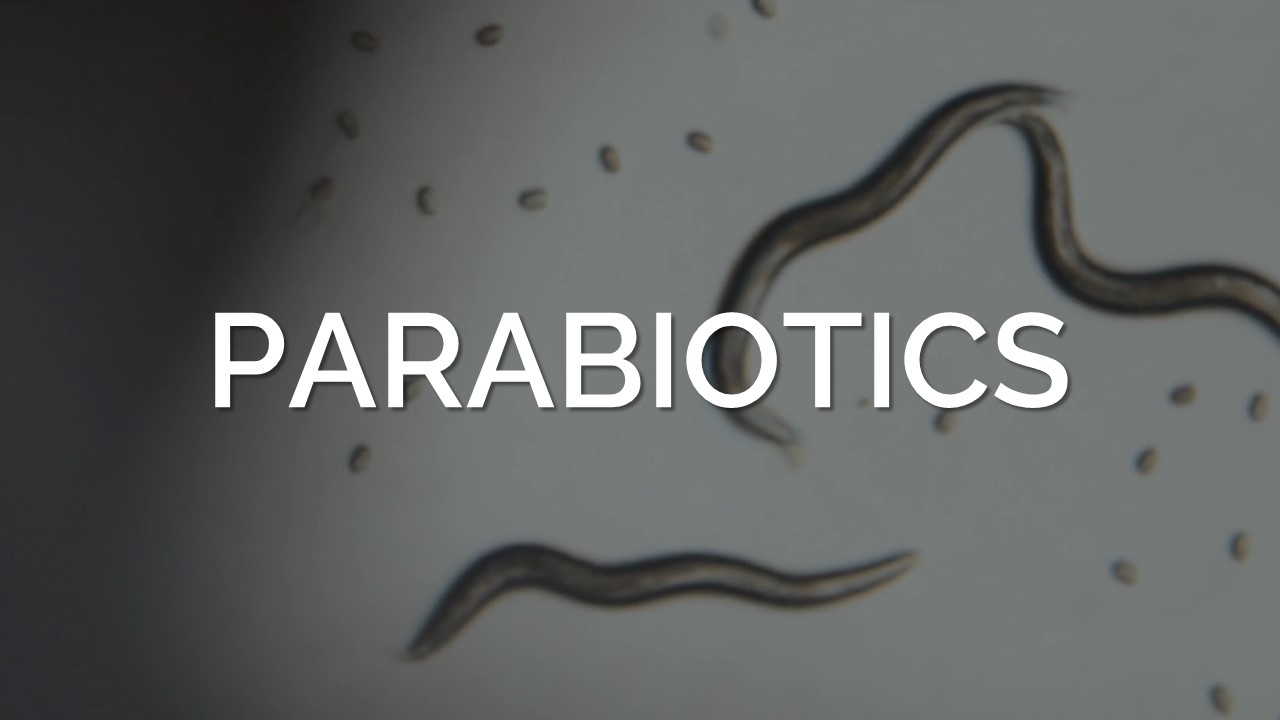
To advance the development of biotechnological strategies that sustainably and environmentally enhance crop yields in the context of climate change, a project has been proposed with the primary aim of improving crop resistance to the gall-forming nematode (Meloidogyne incognita) and grey mould (Botrytis cinerea) through the use of fungal biostimulants.
To achieve this goal, we set the following specific objectives:
The project was successfully completed, achieving all planned objectives, and the results support the hypothesis that the metabolites retained in fungal CFs function as environmentally friendly biostimulants and biocides, offering a sustainable alternative to commercial chemical pesticides.
The following conclusions can be drawn from this project:
The results of this project confirm that this type of biostimulant represents a sustainable and competitive biotechnological tool in the market, capable of reducing agrochemical use while maintaining crop yields.
It should also be noted that, based on these results, we see value in collaborating with other SINAI agents to assess the technological and economic feasibility of scaling up production of this biostimulant, as well as its sustainability, through a life cycle analysis.