Chronic multi-bacterial infections pose a major clinical challenge and are extremely difficult to eradicate, due to the formation of mixed biofilms that serve as reservoirs for antibiotic-resistant bacteria. This issue is particularly severe when it affects the lungs of patients with chronic respiratory conditions such as chronic obstructive pulmonary disease (COPD), as it promotes periodic disease exacerbations. Treatments based on bronchodilators, systemic corticosteroids, and antibiotics are not personalised, which contributes to antibiotic resistance and subsequent therapeutic failure.
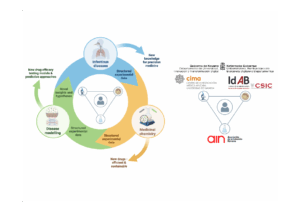
POLIFARMA-3D has focused on developing and evaluating the efficacy of a new generation of personalised drugs for multi-bacterial chronic respiratory infections by: (i) conducting a detailed study of multi-bacterial infection processes that may be influenced by patients’ vaccination and periodontal infection histories; (ii) developing anti-virulence therapies aimed at disarming pathogenic bacteria, thereby reducing the frequency and/or severity of periodic COPD exacerbations; (iii) implementing sustainable pharmaceutical production to minimise industrial pollution, following a circular design and reducing waste generation; and (iv) designing a 3D biomimetic lung model based on pulmonary organoids, replicating the architecture, microenvironment, and key functional aspects of the airways. This system reduces the reliance on experimental animals and facilitates the implementation of personalised medicine.
POLIFARMA-3D has addressed a major health challenge by integrating innovative, multidisciplinary, and collaborative technological approaches that combine the expertise of the three participating entities: microbiology and infectious diseases (CSIC); biomedical engineering and artificial intelligence (CIMA); and medicinal chemistry and biomaterials (AIN).