The CUALVID project took on the challenge of making wine growing more sustainable in Navarre, which is a region where the effects of climate change, like earlier and earlier harvests, are already a reality. The goal was to evaluate how different soil management practices, like using groundcover plants under the vines, affect the balance of greenhouse gases (GHG) — especially CO₂ and N₂O—, at the same time the quality and productivity of vineyards can be maintained or improved. In the project controlled tests in greenhouses were combined with field studies in commercial vineyards using remote sensing technologies and advanced microbiome analysis of the soil.
The results show that groundcover plants, in particular leguminous ones like clover, can contribute to better nitrogenous nutrition of the grapes thanks to the biological fixation of N₂, reducing the need for synthetic fertilizers and the associated emissions. Furthermore, the ground cover improves photosynthetic activity and the expression of genes associated with carbon and nitrogen metabolism. It has also been shown that they promote the microbial biodiversity of the soil, especially colonisation by beneficial mycorrhizal fungi. Nevertheless, these practices can increase N₂O emissions if they are not managed properly, which underlines the need for careful handling.
In the aggregate, CUALVID has provided solid evidence that implementing groundcover planting is a promising tool for mitigating climate change in vineyards, as long as it is used strategically. The integral focus of the project — which combined plant physiology, biochemical analysis, precision technologies and microbiome characterisation — made it possible to advance towards wine growing systems that are more resilient, efficient, and environmentally friendly, which is in line with the sustainability goals of Navarre and the ecological transition of the agrofood sector.
Several photos of the project
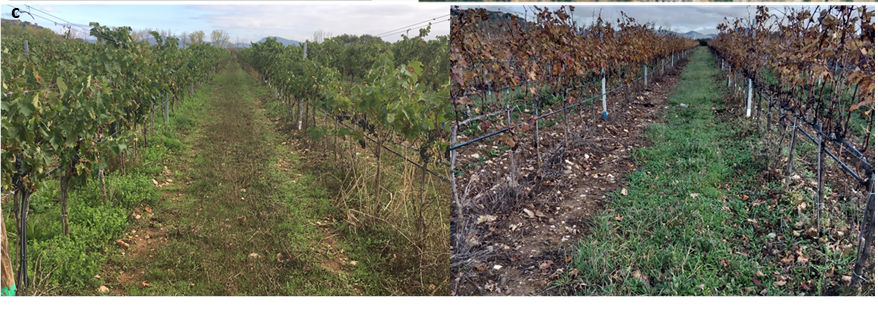
Figure 1 Experimental design of the lots for evaluating the implications of different ways of handling
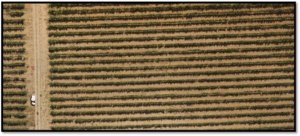
Figure 2 Orthophoto corresponding with the pictures taken of the experimental vineyard
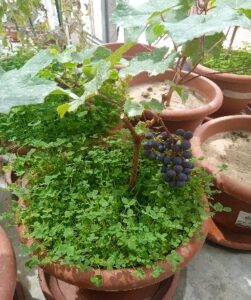
Figure 3 Fruit bearing grape seedlings grown in pots