Photovoltaic technology has had a pace of development in the last 10 years that has surpassed all predictions. Nevertheless, far from stagnating this technology is expanding around the whole world. Thanks to that, photovoltaic technology is now providing the cheapest energy in some parts of the world. To continue this dynamic one of the primary aspects that should be worked on is improving the reliability and durability of the photovoltaic modules installed in the field. Along those lines, it should be noted that the polymer encapsulating material used to adhere the layers of a photovoltaic module is one of the most vulnerable parts, because it is prone to ageing and it shows an impact on the durability of the photovoltaic modules installed in the field. Even though there are currently several techniques for monitoring quality on photovoltaic module production lines, non-destructive real time methods, like the ones evaluated in this project, are not available on the market.
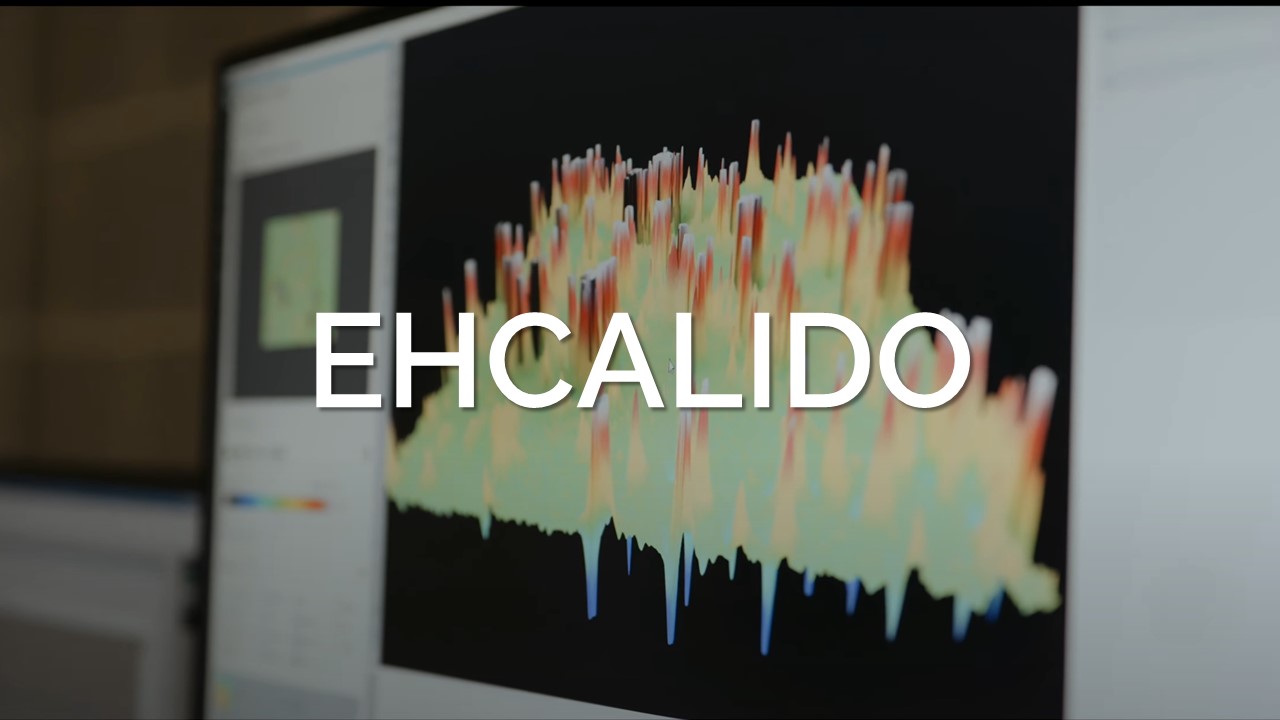
In the INSPEC-PV project non-destructive real time techniques have been developed for inspecting encapsulating material of photovoltaic modules. The development of those techniques, based on terahertz technology and UV fluorescence, has made it possible to extend the inspection methods for those materials and gaining confidence in one of the most vulnerable parts of the photovoltaic modules, which would be the encapsulating material.
Three parameters were studied to evaluate the quality of the encapsulating material and its state of degradation: thickness, adherence (and submersion in water), and the degree of polymerisation. The measurements done using terahertz spectroscopy techniques and UV fluorescence to determine the parameters have been validated using traditional destructive methods commonly used in the photovoltaic industry. In addition to that, a portable non-destructive inspection system for photovoltaic modules based in UV fluorescence has been developed. It is the first device with these characteristics.
This project has consolidated the collaboration between the Public University of Navarre (PNA) and the National Centre for Renewable Energies (CENER) with ADItech, with the UPNA providing their knowledge of terahertz spectroscopy techniques, while CENER contributed with their vast experience in the field of photovoltaic technology and characterising the encapsulating material using traditional and UV phosphorescence techniques.